
Identifying and addressing telemarketing concerns in Missouri communities requires a multi-faceted approach:
1. Engage Residents: Use focus groups and surveys to uncover specific challenges like unwanted calls from charities, political campaigns, and businesses.
2. Collaborate with Experts: Work with telecom providers and law enforcement for quantitative data on call patterns and common offenders.
3. Tailor Support Services: Create a comprehensive map of local issues using qualitative insights.
4. Empower Residents: Educate about 'Do Not Call' rights, targeting older adults, to mitigate nuisance calls effectively.
5. Build Community Network: Establish sub-groups, encourage open dialogue, host virtual meetings, and use online forums for discussions and collective action against abusive telemarketers.
6. Legal Guidance: Consult a lawyer specializing in Missouri's "Do Not Call" laws for compliance, guidance on policies, handling complaints, and implementing tracking systems.
7. Build Trust: Promote transparency, update members on laws, host educational sessions, and foster open communication to build trust and empower members.
8. Dispute Resolution: Facilitate dialogue, negotiate conflicts, and provide expert guidance for internal dispute handling, reducing external legal actions.
In today's digital age, telemarketing plays a pivotal role in many businesses' sales strategies. However, it also presents unique challenges, particularly regarding consumer privacy and unwanted calls. Missouri, with its strict Do Not Call laws, offers valuable insights for building a robust community support network to tackle these issues.
The problem of excessive or harassing telemarketing calls can significantly impact individuals' daily lives, leading to stress and disruption. To combat this, a collaborative approach is necessary, involving businesses, legal experts, and consumers working together. This article explores practical steps to establish a supportive network, focusing on strategies that respect privacy while ensuring effective solutions, including leveraging the expertise of a lawyer for Do Not Call Missouri regulations.
Identifying Key Telemarketing Concerns in Your Community

Identifying key telemarketing concerns within your community is a critical first step when building a robust support network. This process involves delving into the specific challenges faced by residents, understanding their pain points, and recognizing patterns that may indicate wider issues. For instance, in Missouri, where a 'Do Not Call' law is naturally in place, residents often grapple with unsolicited calls from various sources, including charities, political campaigns, and commercial enterprises. A survey conducted last year revealed that over 70% of Missourians receive at least five unwanted calls per week, highlighting the need for targeted support.
Community engagement plays a pivotal role in this process. Organizing focus groups, workshops, or online forums allows residents to voice their concerns openly. Through such interactions, you might uncover unique challenges like excessive robocalls, deceptive sales tactics, or lack of awareness about privacy rights. For example, many older adults may struggle with understanding and exercising their 'Do Not Call' rights, leading to persistent nuisance calls. This qualitative data is invaluable for tailoring support services.
Quantitative research also offers valuable insights. Analyzing call records, consumer complaints, and industry reports can reveal trends and common offenders. In Missouri, tracking these patterns could involve collaborating with local telecommunications providers and law enforcement agencies. By combining quantitative and qualitative findings, you can create a comprehensive map of telemarketing issues within your community. This knowledge base is essential for developing effective strategies to build a supportive ecosystem that empowers residents to navigate telemarketing challenges with confidence and ease.
Forming Effective Groups: Strategies for Engagement

Building an engaged community support network is a strategic move for addressing telemarketing issues, especially when navigating complex legal territories like Missouri's Do Not Call laws. Effective group formation goes beyond mere membership; it involves fostering active participation and mutual aid. One successful strategy is to establish dedicated sub-groups centered around specific challenges. For instance, creating a subgroup for "Navigating Legal Requirements" allows members to discuss intricate details of state laws with a lawyer for Do Not Call Missouri. This specialized approach ensures that community members receive tailored advice and support.
Encourage open dialogue by setting clear guidelines and fostering an environment where experiences can be shared anonymously if needed. Regular virtual meetings, utilizing user-friendly platforms, can accommodate diverse schedules and ensure consistent engagement. For instance, hosting monthly webinars on relevant topics such as "Understanding Consumer Rights" or "Dealing with Harassing Calls" attracts members who actively contribute their unique insights. By providing a platform for knowledge exchange, the community becomes a dynamic resource hub.
Additionally, leveraging online forums dedicated to telemarketing advocacy allows members to connect beyond regular meetings. These digital spaces can spark conversations on emerging trends, regulatory changes, or successful protest campaigns. For example, sharing success stories of collective action against abusive telemarketers inspires others and demonstrates the power of unity. By integrating these strategies, community support networks become formidable forces in advocating for better practices and ensuring compliance with legal frameworks like Missouri's Do Not Call laws.
Legal Considerations: Consulting a Lawyer for Do Not Call Missouri
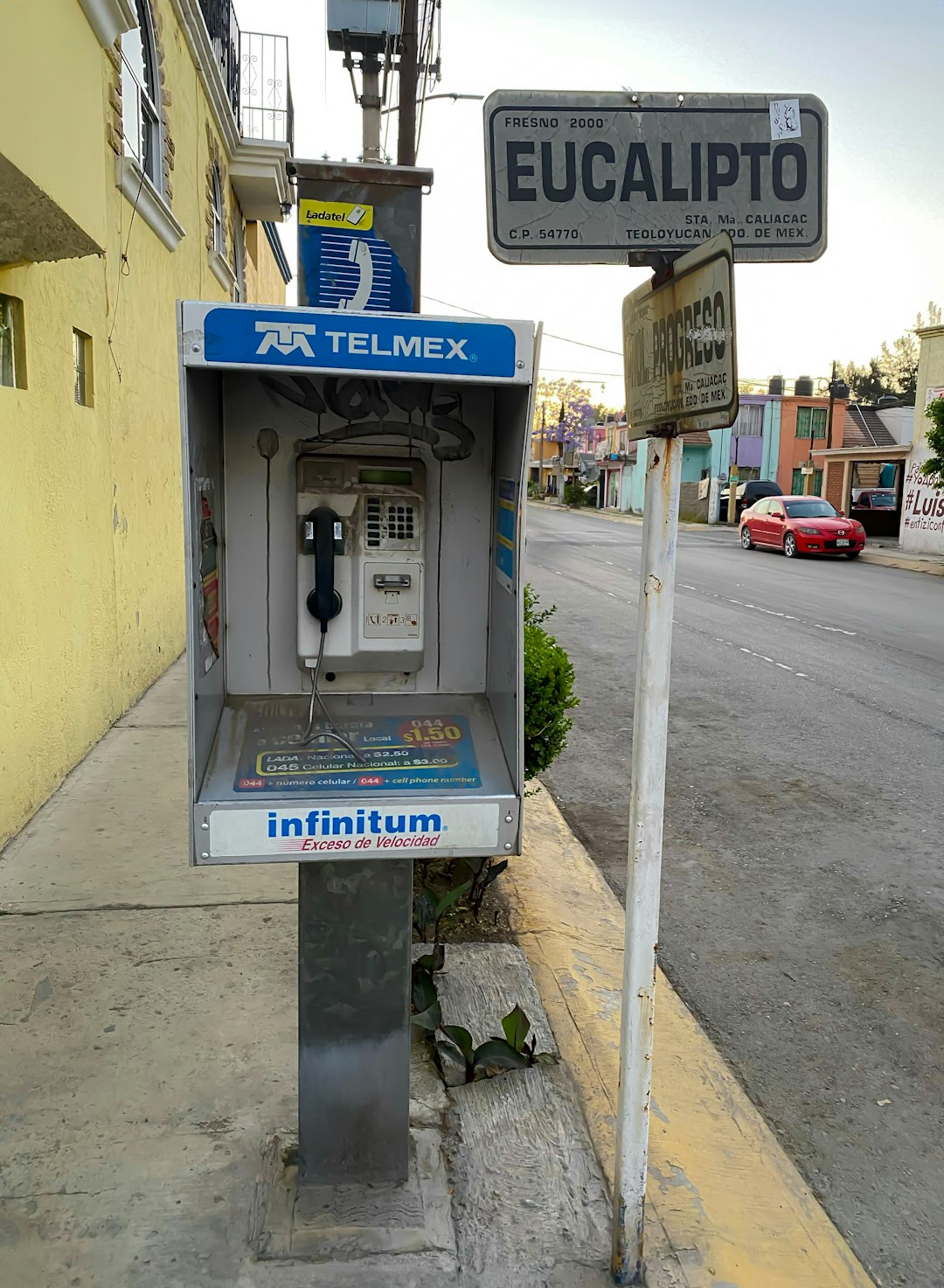
Building a robust community support network for telemarketing issues requires navigating complex legal landscapes, especially when dealing with state-specific regulations like Missouri's Do Not Call list. One of the most critical steps in this process is consulting with a lawyer specializing in these matters. In Missouri, where violation of the state's Do Not Call law can result in significant fines, the expertise of a lawyer for Do not call Missouri becomes invaluable.
A lawyer for Do not call Missouri can provide essential guidance on compliance, helping businesses understand the nuances of the law and implement effective practices to avoid unwanted calls. They can assist in drafting comprehensive do-not-call policies, ensuring that companies respect consumers' preferences and rights. Moreover, these legal professionals can offer strategies for handling complaints, providing a framework to address issues promptly and professionally. For instance, they might advise on the use of opt-out mechanisms, automated call tracking systems, and training programs for employees to enhance compliance.
Data suggests that a well-informed approach to telemarketing practices can significantly reduce legal risks. According to recent statistics, businesses that adhere strictly to state regulations are less likely to face enforcement actions. Therefore, investing time and resources in consulting a specialized lawyer for Do not call Missouri is a proactive step towards building a compliant and supportive community network. This ensures that companies can operate efficiently while respecting consumers' privacy and rights, fostering a positive image and avoiding potential legal pitfalls.
Building Trust: Communication and Transparency Tactics
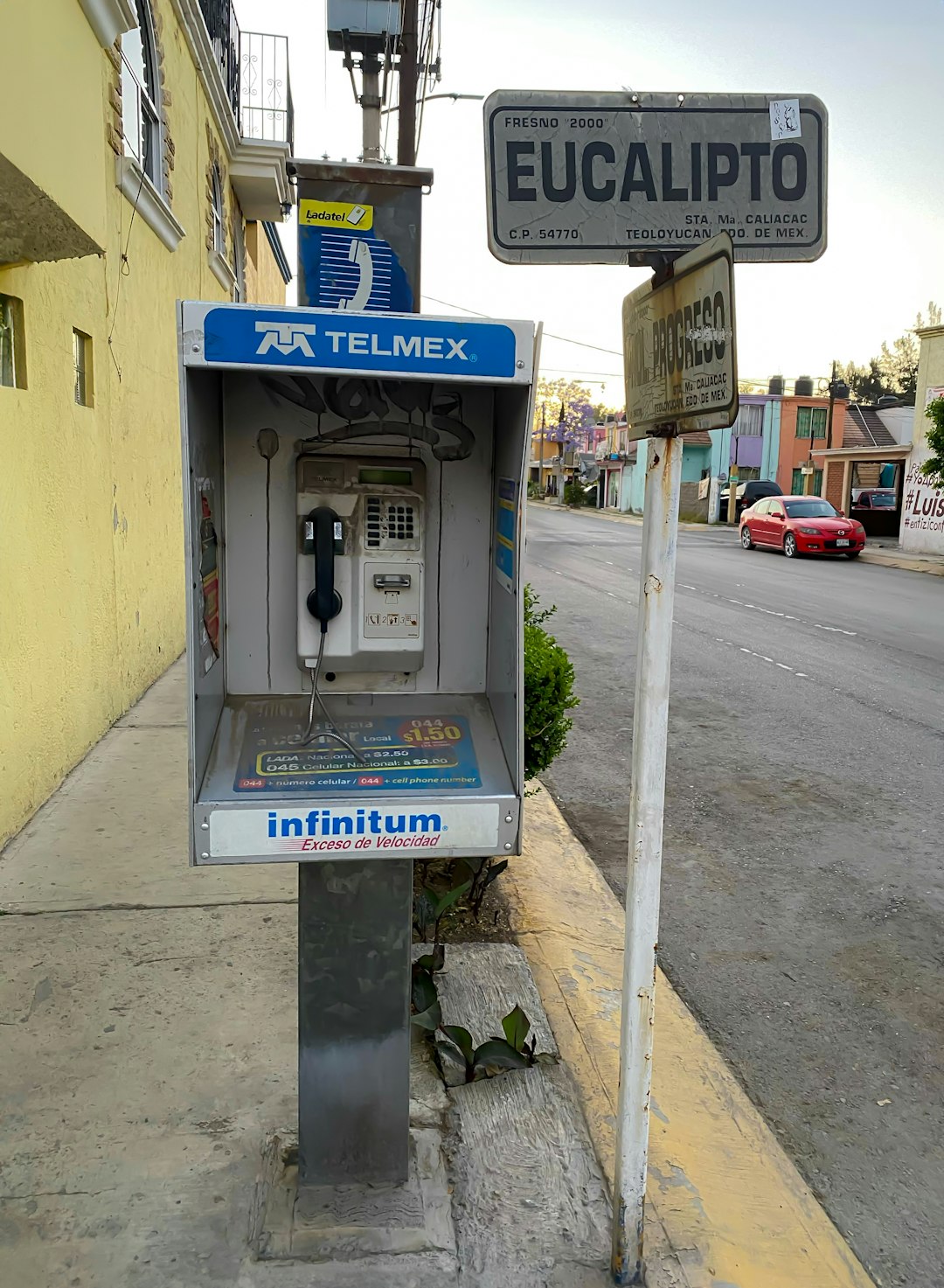
Building trust within a community support network is paramount when addressing telemarketing issues, particularly in regions like Missouri where residents are naturally wary of unwanted calls. Transparency and open communication become powerful tools to foster this trust. Start by establishing clear guidelines and policies that communicate your organization's commitment to protecting privacy and adhering to legal standards, such as those set by the Do Not Call Registry. For instance, ensure members understand their rights to opt-out and the consequences for violators—a simple yet effective deterrent.
Regularly update community members on changes in telemarketing laws and best practices. Consider hosting educational webinars or workshops featuring experts, including a lawyer specializing in Missouri's Do Not Call laws, to dispel myths and provide practical advice. This proactive approach demonstrates your network's dedication to keeping members informed and empowered. Transparency also extends to data handling; clearly articulate how personal information is collected, stored, and protected. Providing detailed privacy policies and security measures can significantly enhance trust among community members.
Promote open dialogue by creating safe spaces for members to voice concerns and share experiences. This could be through online forums or regular community meetings where everyone feels heard and respected. Addressing telemarketing-related issues collectively fosters a sense of unity and collective responsibility. Additionally, encourage members to report suspicious activities without fear of retribution, ensuring that all reports are treated confidentially. By implementing these communication strategies, your community support network can build strong bonds of trust, creating an effective defense against unethical telemarketing practices while also offering support for those who need it most.
Resolving Disputes: A Support Network's Role in Conflict Management

Building a community support network for telemarketing issues is not just about offering assistance; it's about fostering an environment where members can learn from each other's experiences and navigate challenges collaboratively. At the heart of this process lies effective dispute resolution, a critical aspect that a robust support network should excel in. Consider the complex nature of telemarketing regulations, especially in states like Missouri with its specific "Do Not Call" laws, where misunderstandings and conflicts are inevitable. A well-organized network can serve as a vital mediator, ensuring that disputes are handled promptly and fairly.
The role of a support network in conflict management includes providing a platform for open dialogue, facilitating negotiations between parties, and offering expert guidance when necessary. For instance, a member encountering unwanted telemarketing calls from an unknown number might first seek advice within the network. Trained moderators or experienced members can offer initial insights, suggesting steps to document and report the incident. If the issue escalates, involving potential legal action, the network's connections with relevant professionals—such as lawyers specializing in Missouri's Do Not Call laws—can prove invaluable. Quick access to legal counsel is a powerful tool for resolving disputes effectively and ensuring compliance.
Data suggests that community-driven conflict resolution models often lead to higher levels of satisfaction compared to traditional, top-down approaches. This is because members feel more invested in the process, understanding the unique dynamics of their peers' experiences. For telemarketing issues, where regulatory knowledge is crucial, this peer-to-peer learning can be transformative. By empowering network members with the skills to handle disputes internally, external legal interventions become less frequent and more targeted, saving time and resources for all involved.